

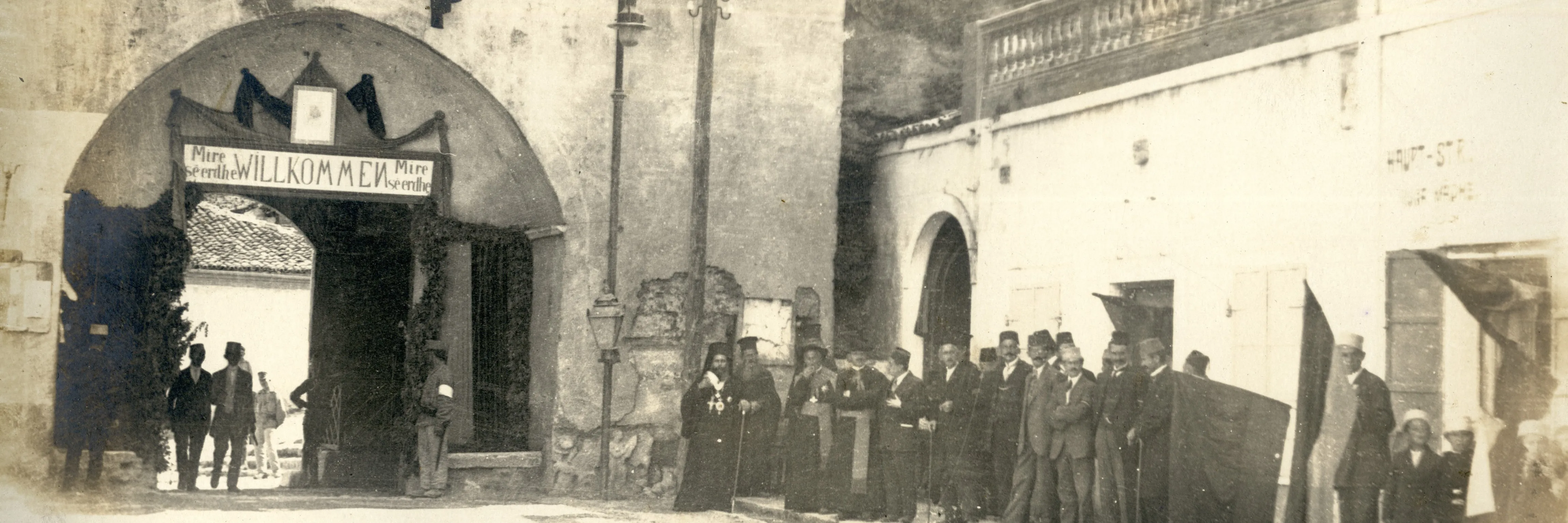
Significant changes have taken place in Bosnia and Herzegovina in recent weeks. In early May, High Representative Christian Schmidt, who served as the representative of the principal international body overseeing state-building, resigned. The Office of the High Representative was originally entrusted by the members of the Peace Implementation Council with extensive oversight and monitoring responsibilities, but over the past few decades its role has gradually been stripped of much of its authority. Schmidt’s resignation was preceded by pressure from the United States, which has not only brought about changes in Bosnia and Herzegovina but may also affect relations between the United States and the European Union.
The authors of the article, László Márkusz and Kristóf Gosztonyi, provide insight into the history of the Office of the High Representative, the Dayton Accords, the domestic political challenges posed by Milorad Dodik, and the economic and other lobbying forces that may be less visible to outside observers. They also examine possible solutions to the current crisis.
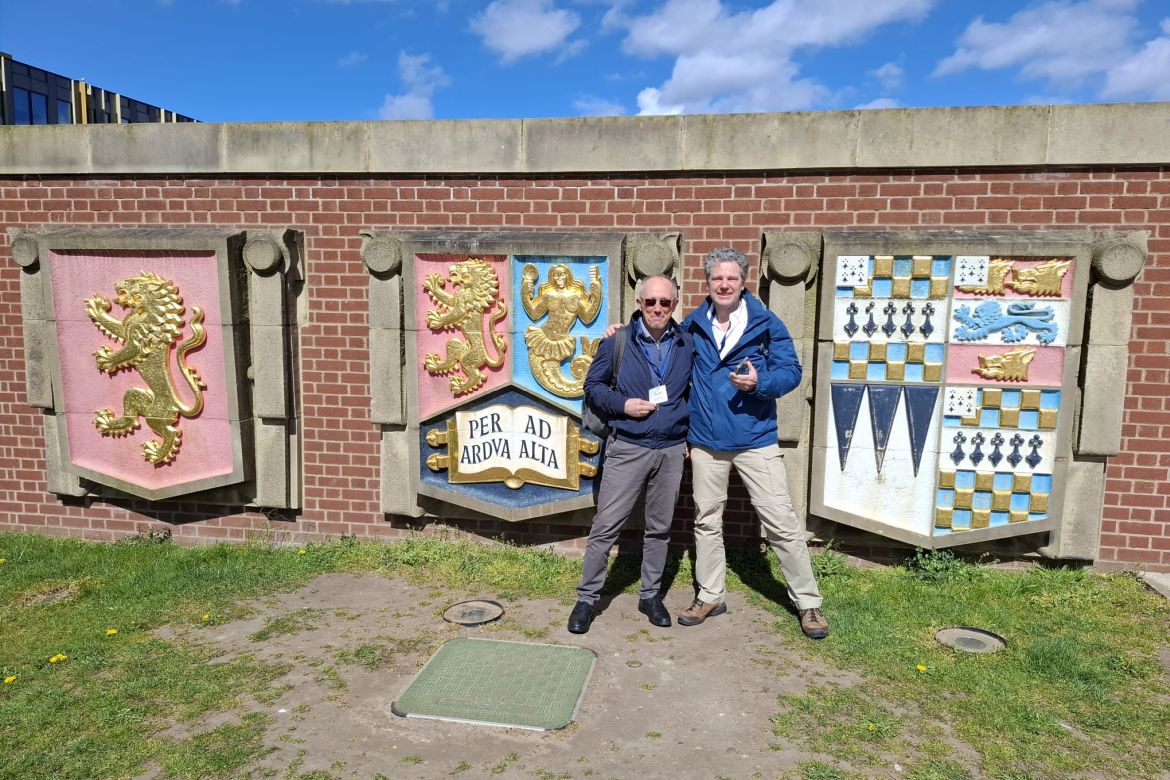
Following this year’s joint workshop in Budapest (March 16) and the joint panel held at the BASEES conference in Birmingham (April 11), the collaboration between the Berlin project funded by the Leibniz Institute and the Budapest research project funded by the NKFIH has now borne fruit in the form of this publication. We are confident that this collaboration will continue to be fruitful in the future.
Read the article: https://terra360.net/en/renewed-crisis-in-bosnia-and-herzegovina/