
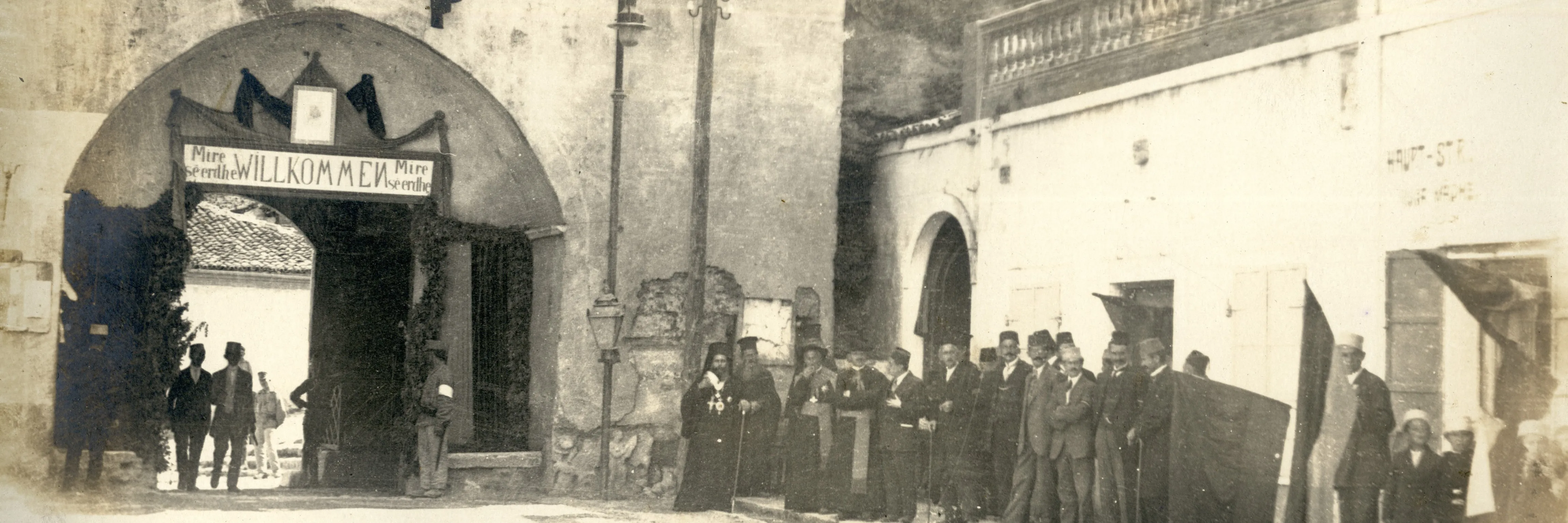
In Europe, it is only in recent years that academic conferences and workshops have begun to be organized with the aim of giving diplomatic corps, think tanks, and various foreign ministries and background organizations dealing with security policy direct access to historical knowledge.
Before the outbreak of the Ukrainian–Russian war, the history of Central and Eastern Europe played only a marginal role in the study of global processes, even though for more than two hundred years this region has been one of the most important global laboratories in the field of international law and political responses to various international crises.
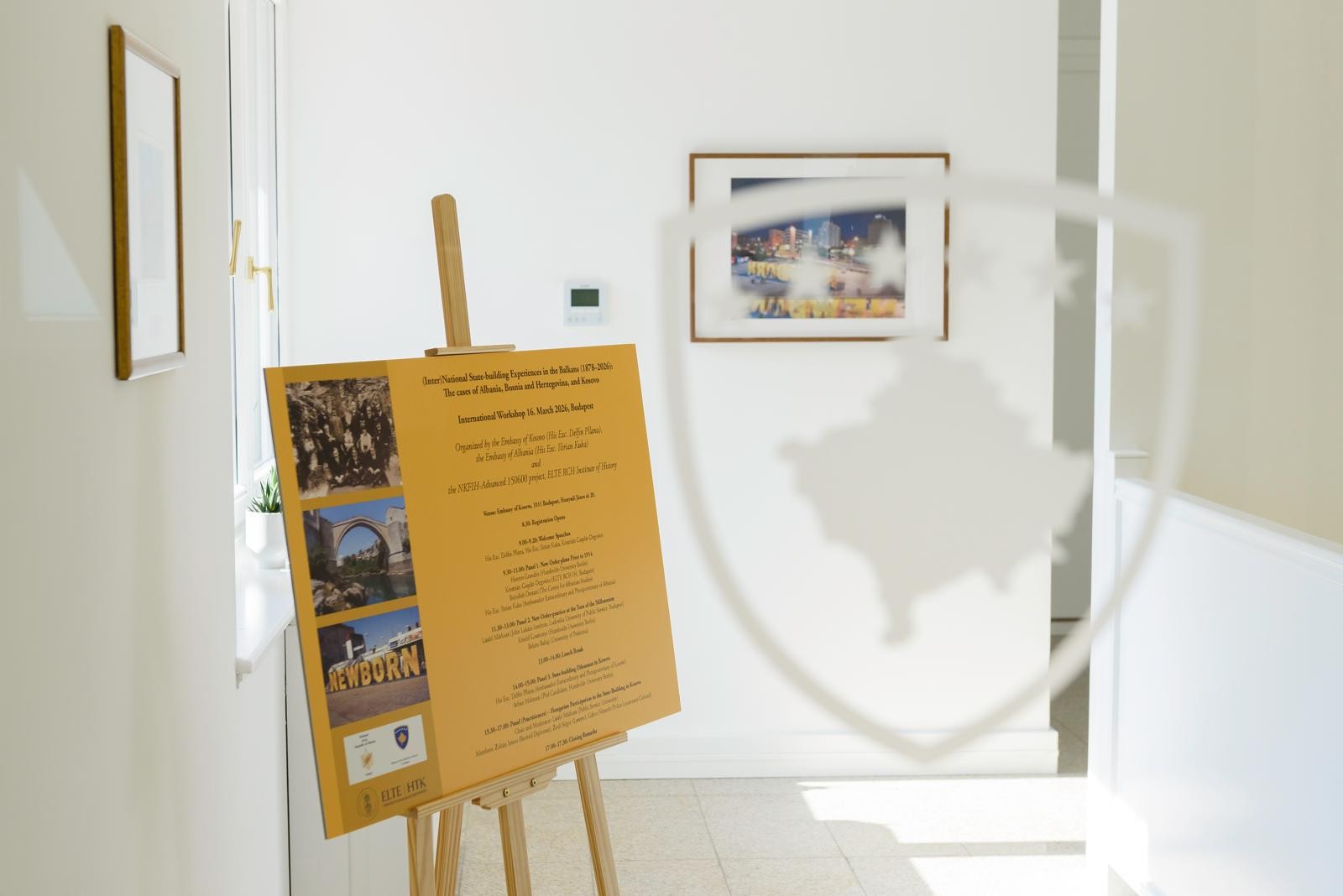
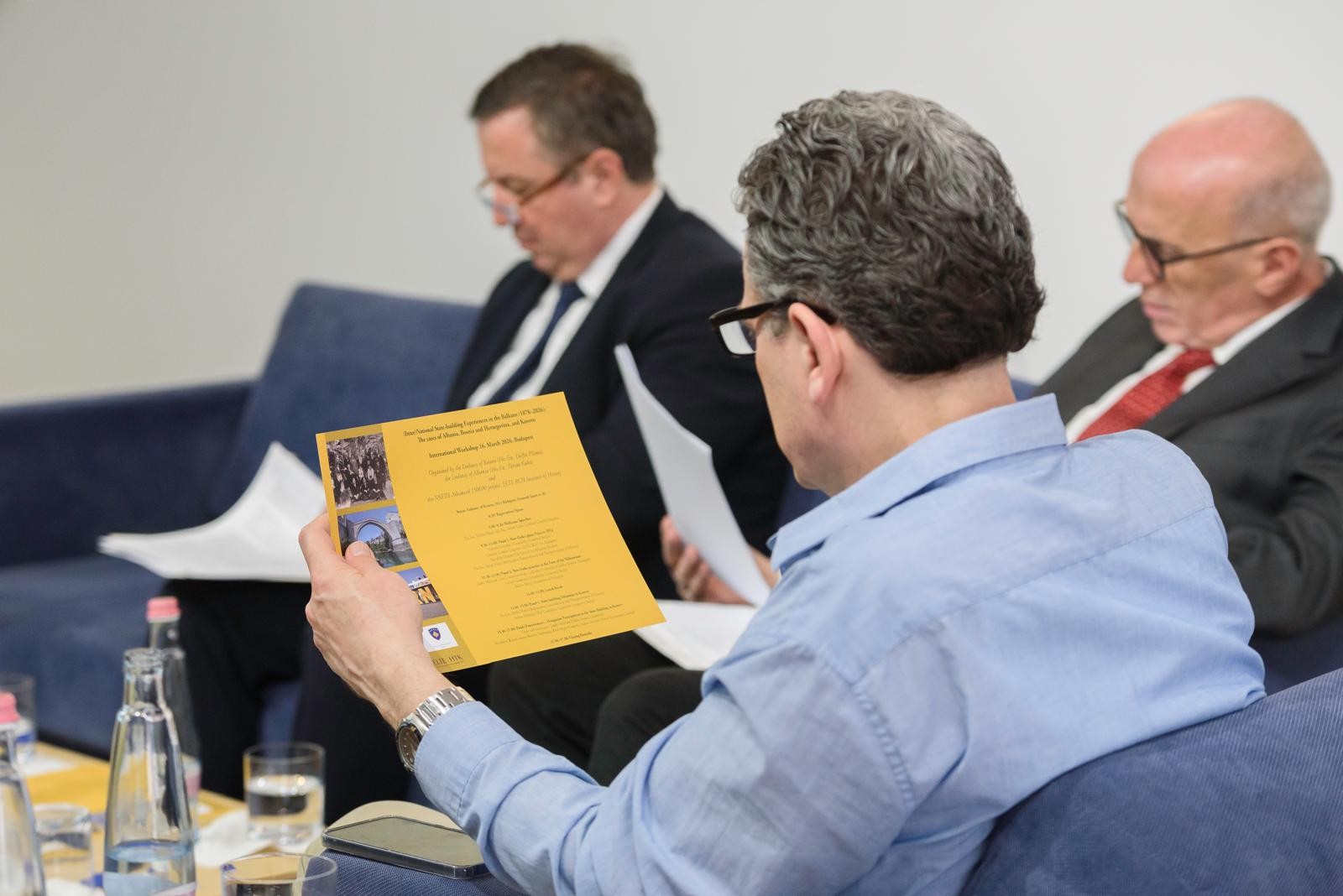
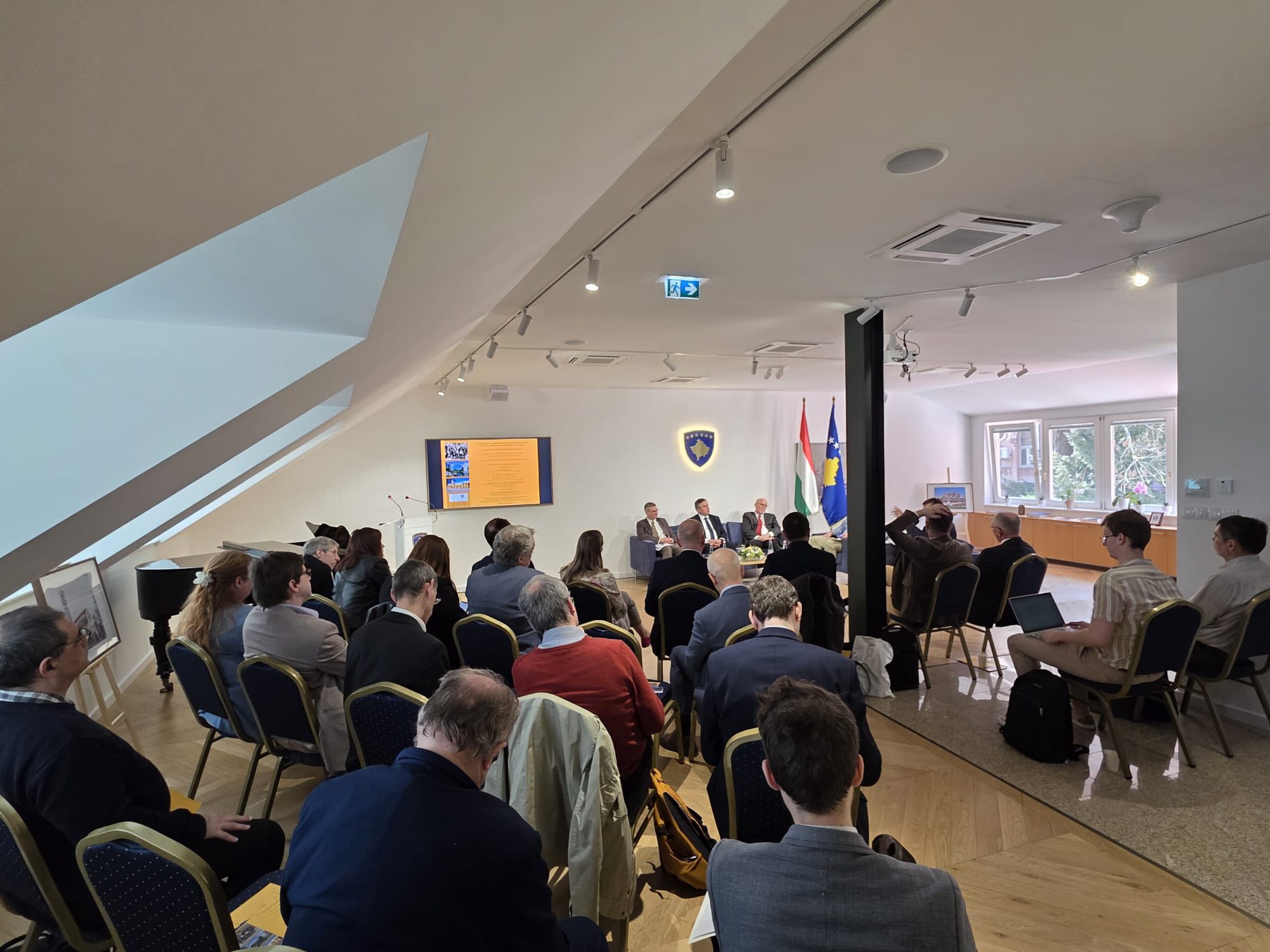
The aim of the present workshop – (Inter)national State-building Experiences in the Balkans (1878–2026): The Cases of Albania, Bosnia and Herzegovina, and Kosovo – was to launch the above process in Hungary.
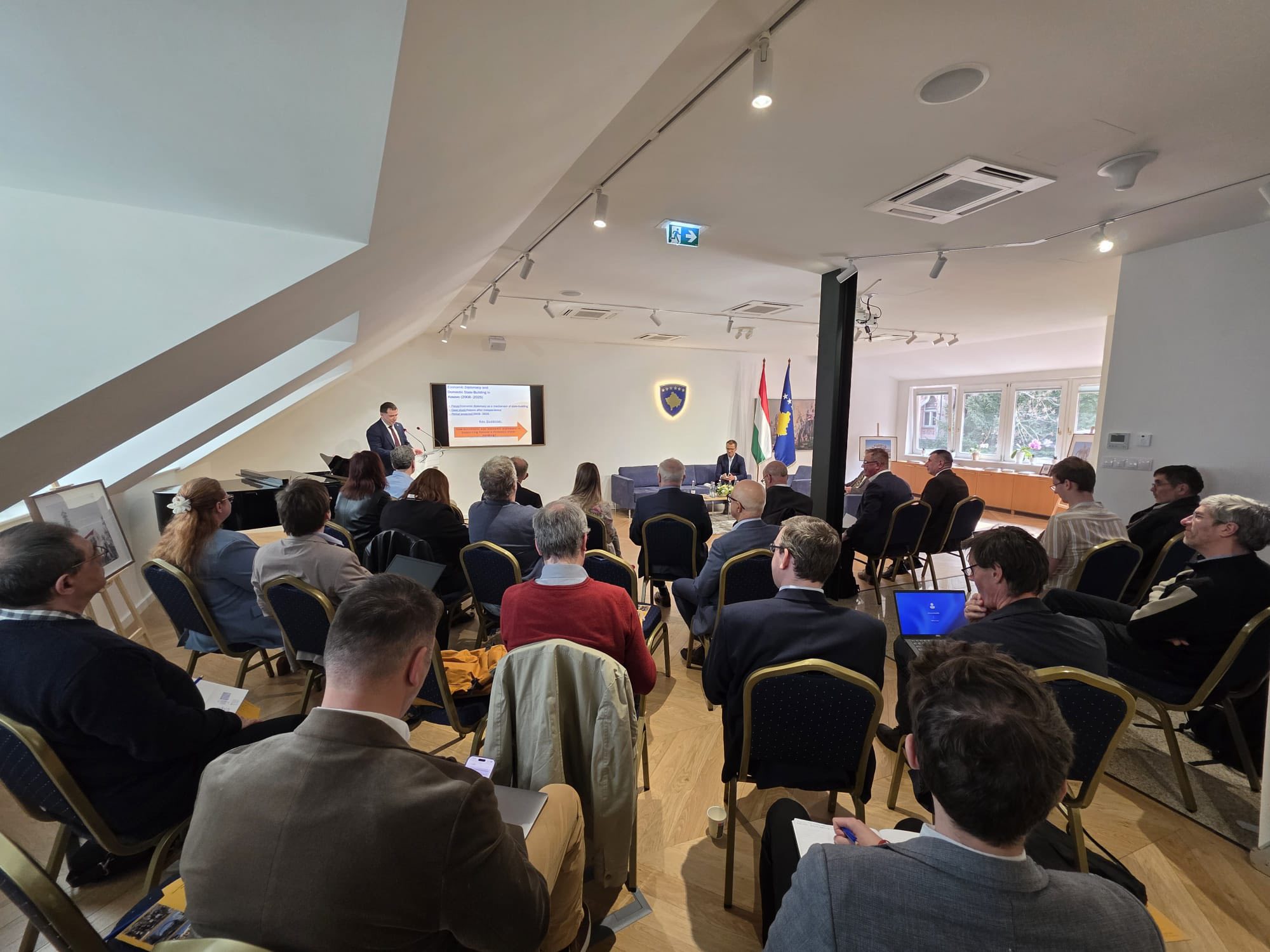
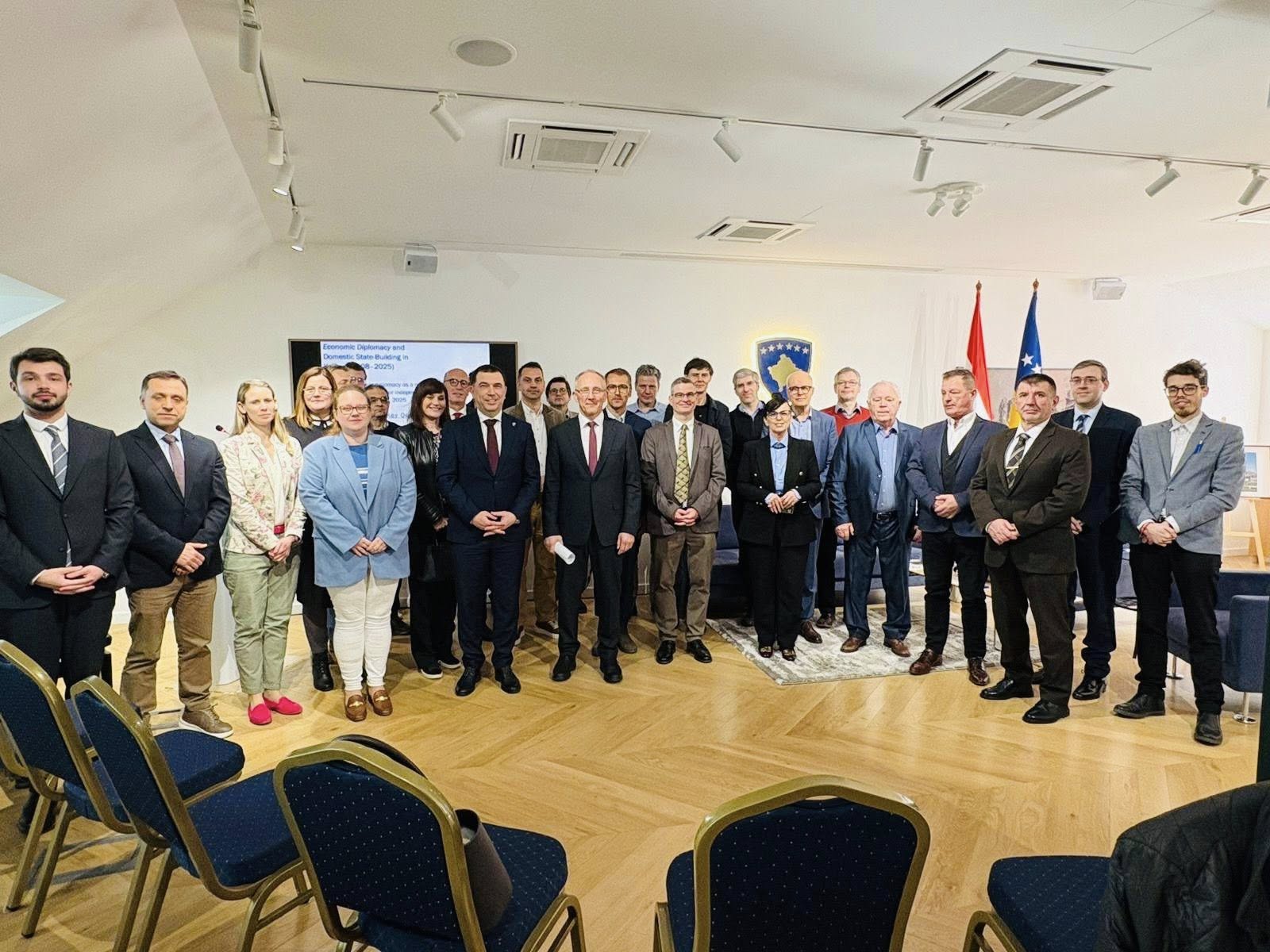
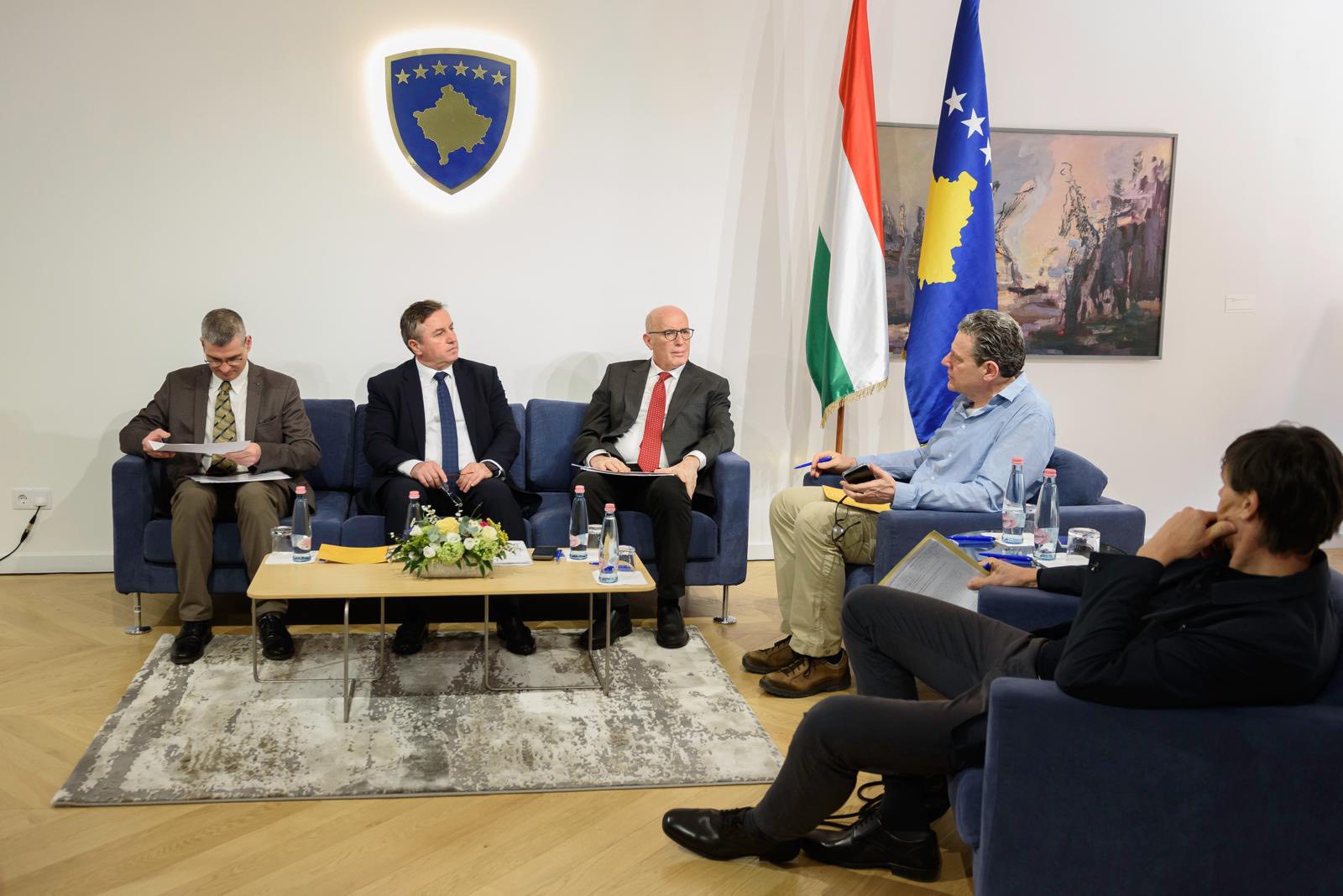
Photos: Embassy of the Republic of Kosovo in Hungary
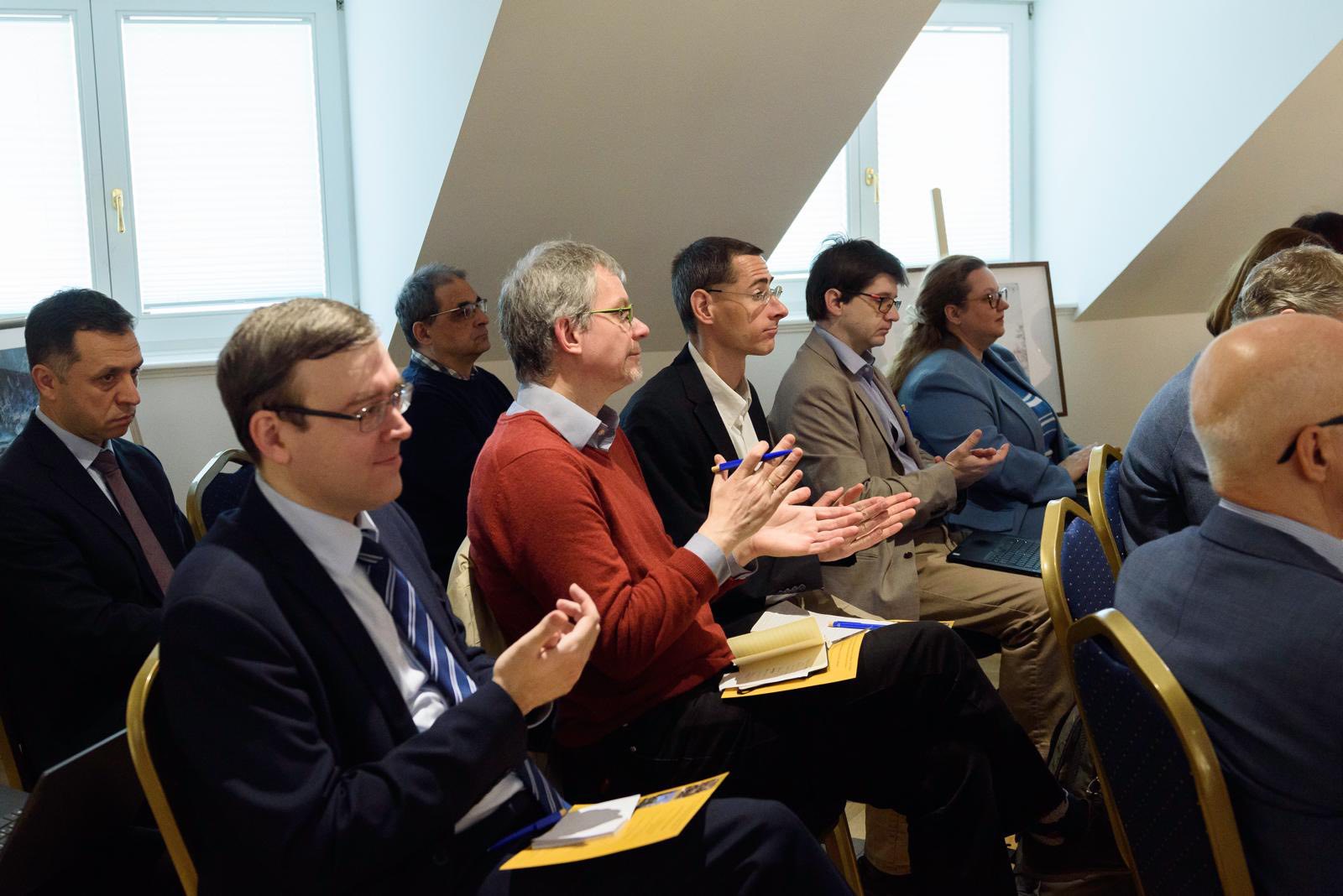
The organizers – the Embassy of the Republic of Kosovo, the Embassy of Albania, and the researchers of the project Humanitarian State-building by International Actors – Lessons from Peacebuilding Tools (National Research, Development and Innovation Office; Advanced 150600) – sought to create a space for meeting and communication where two ongoing interdisciplinary projects, one from Berlin (The Rise of Assertive Peacebuilding in Bosnia-Herzegovina 1992–2002, funded by the Leibniz Association) and one from Budapest, researchers and Phd-candidates from Kosovo, could be presented, and where their goals and preliminary results could be shared not only with historians but also with diplomats, stakeholders, and representatives of other disciplines (international law, security policy, peace and war studies, geography).
The two projects examine the history of humanitarian state-building in Southeast Europe between 1878 and 2026, drawing on the theories and methodologies of history, cultural studies, international law, and peace studies (including peacekeeping and peacemaking). The first and still largest laboratory of humanitarian state-building is Southeast Europe. Until now, this issue has been addressed primarily by international lawyers and economists, mainly in English, most of whom have had little or no knowledge of local history. The aim of the project is therefore to incorporate knowledge found in published and unpublished historical sources written in local languages into interdisciplinary communication, to identify previously unknown knowledge and experiences, and to make them directly accessible to non-academic audiences.
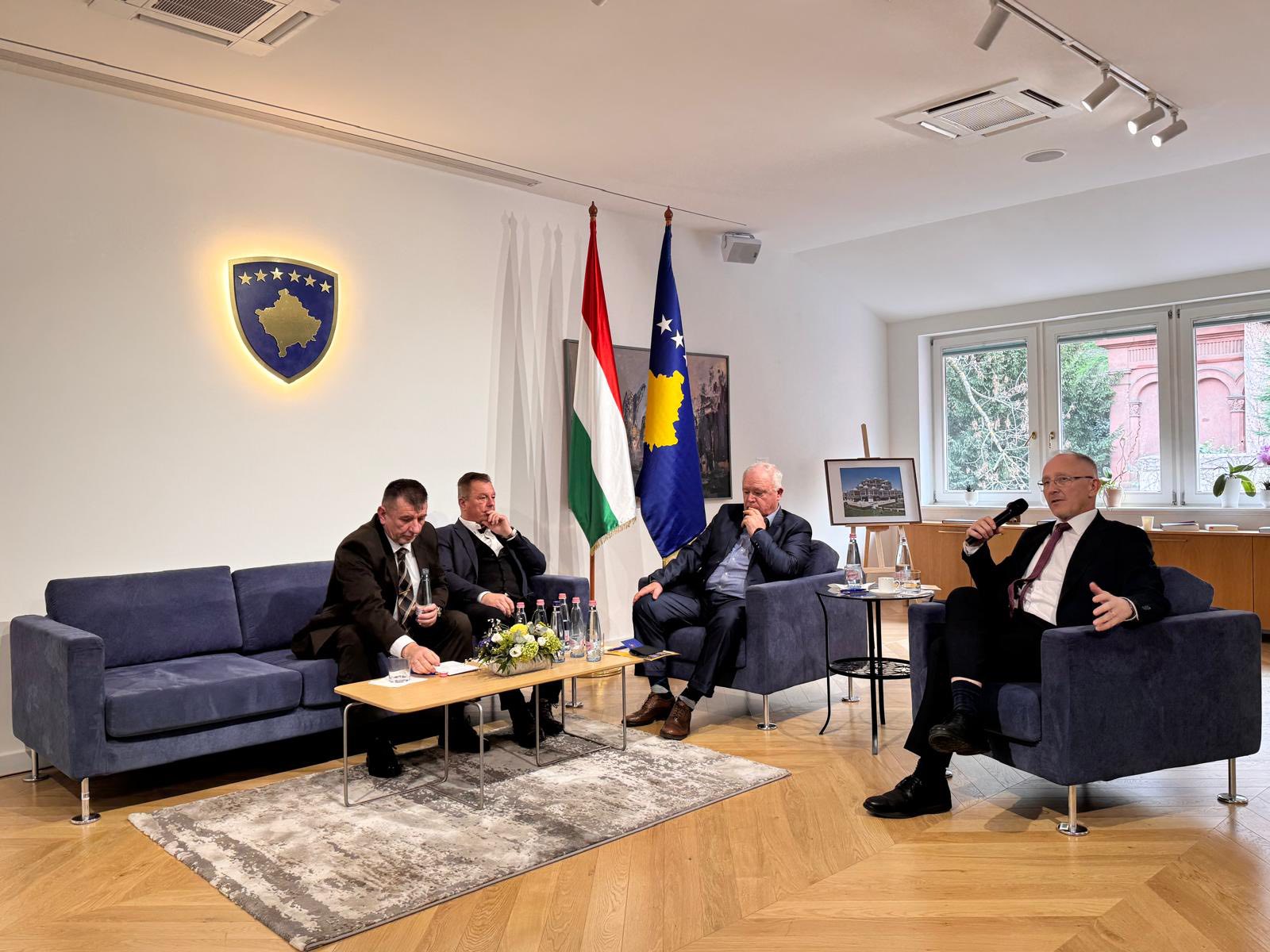
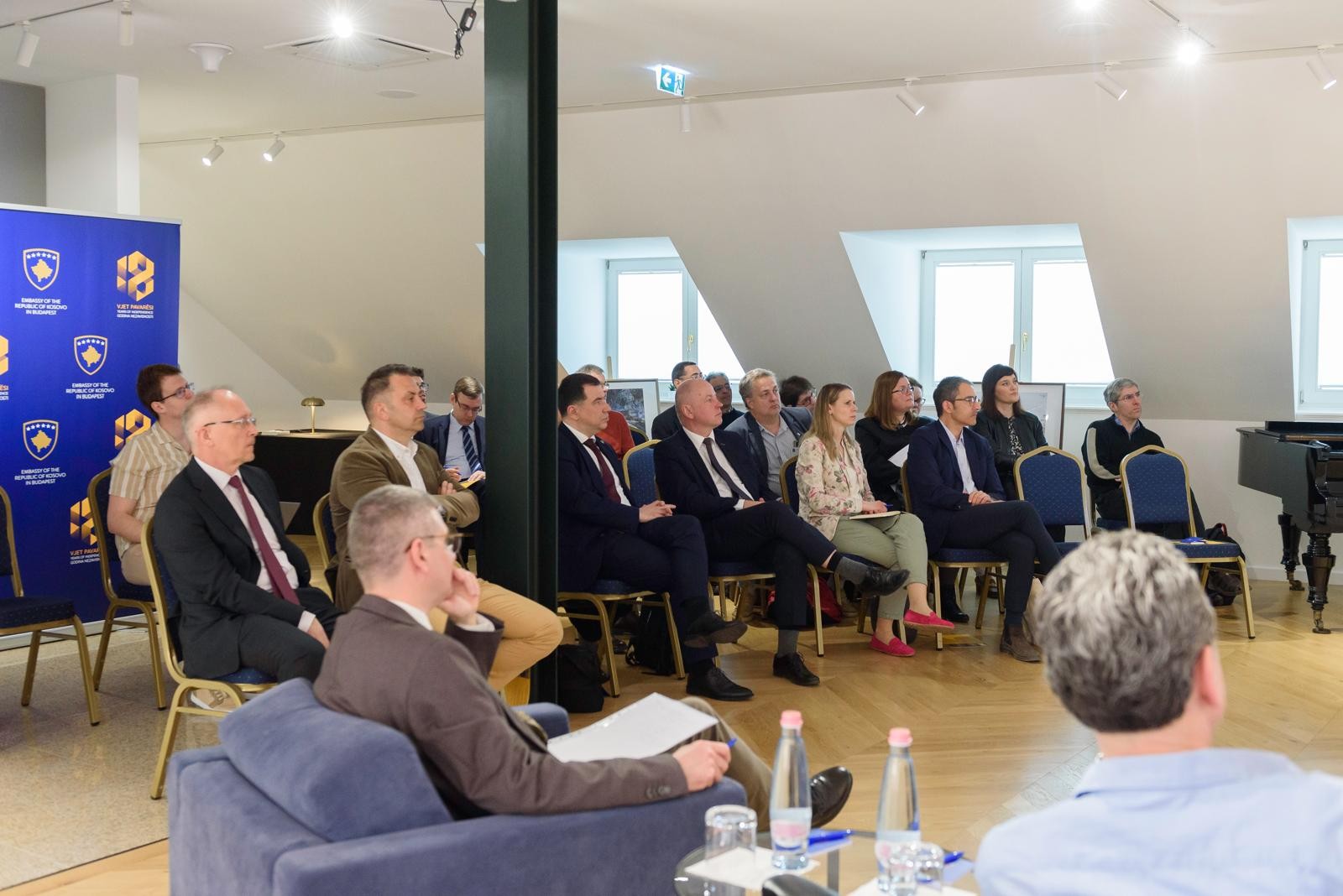
It is important that humanitarian state-building is discussed not only by academics but also by those who have been directly involved in state-building processes since the 1990s. We were therefore pleased to organize a roundtable discussion where Hungarian experts who have participated in the international community’s missions in Bosnia and Herzegovina and Kosovo as officials or officers in recent decades could share their experiences.
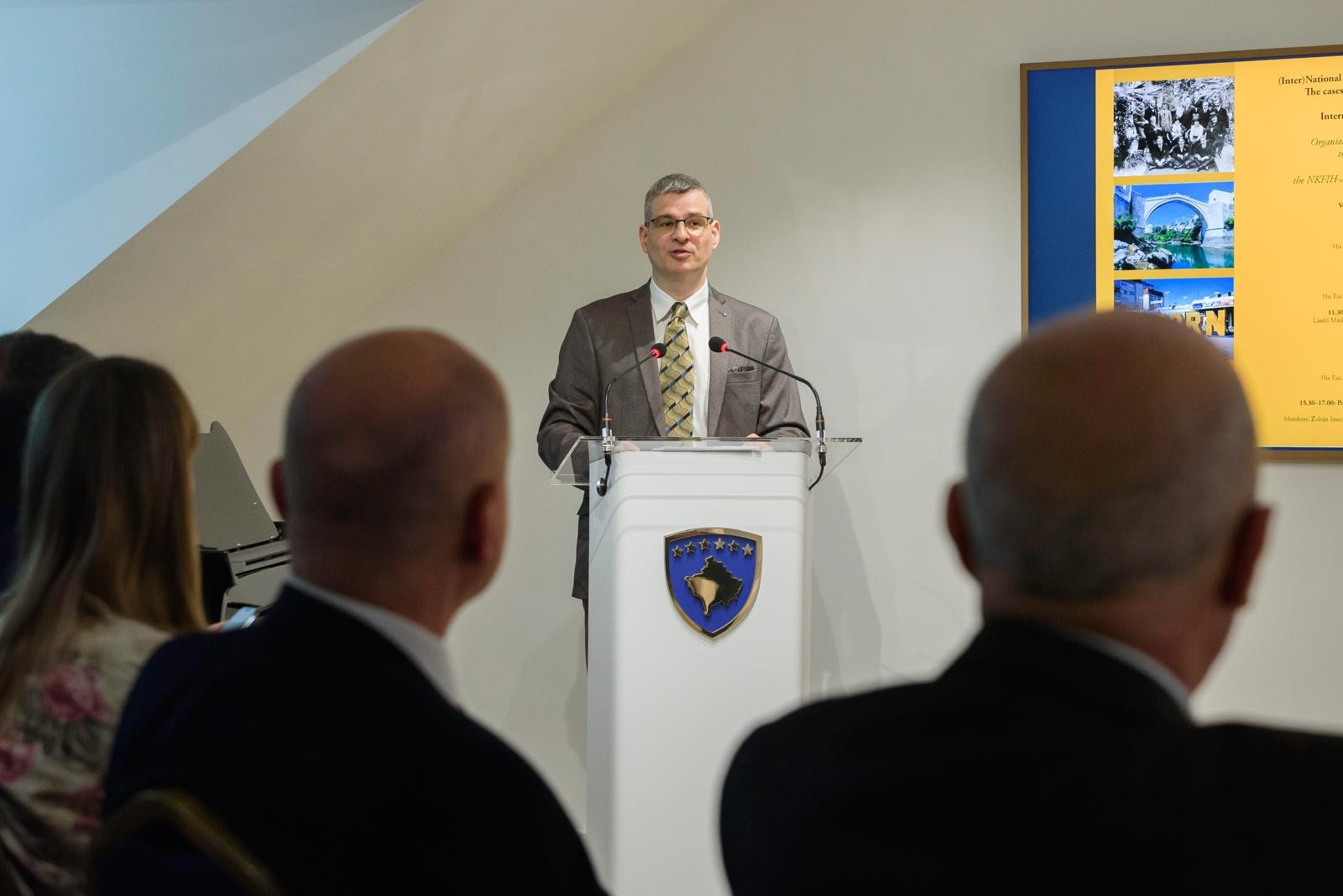
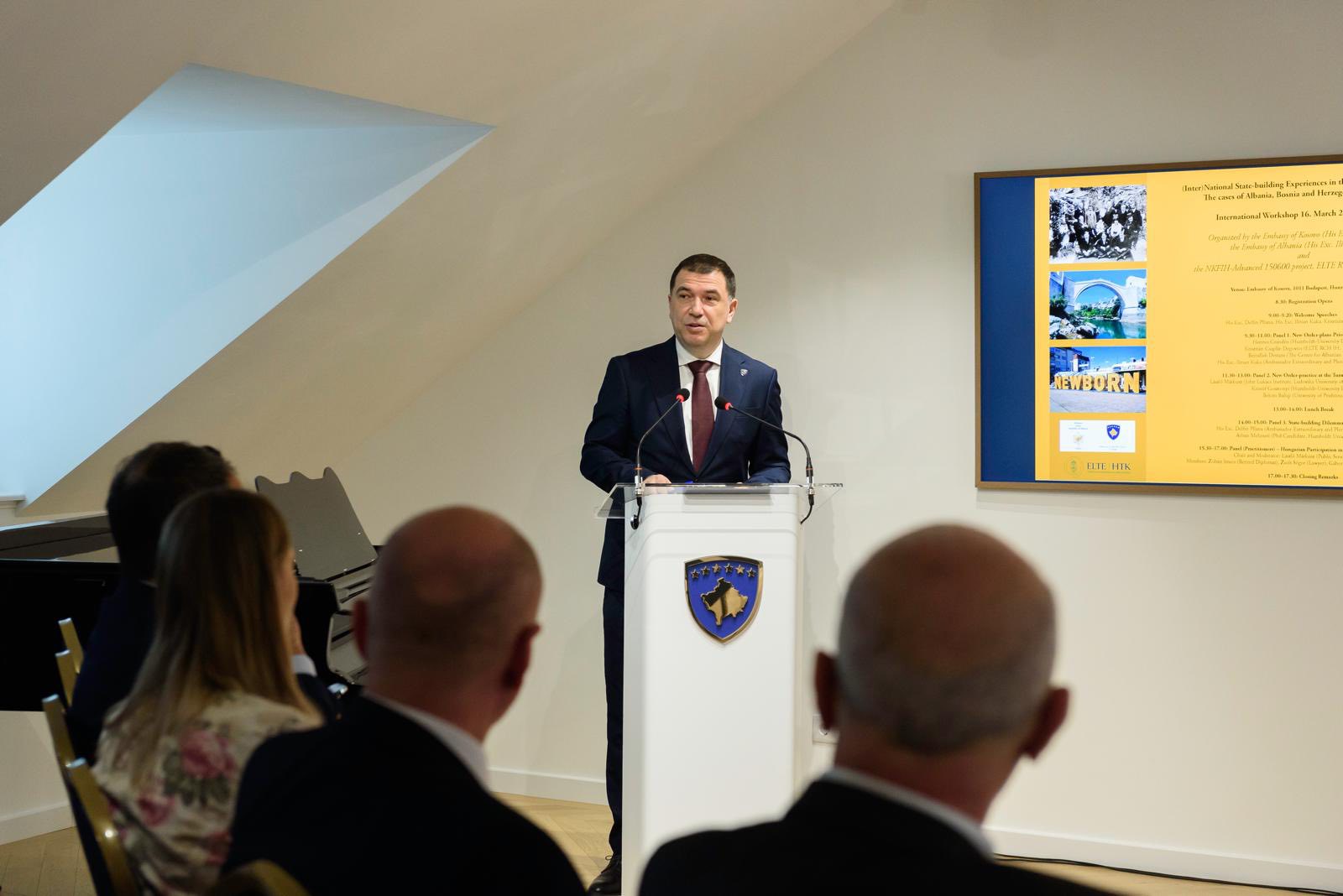
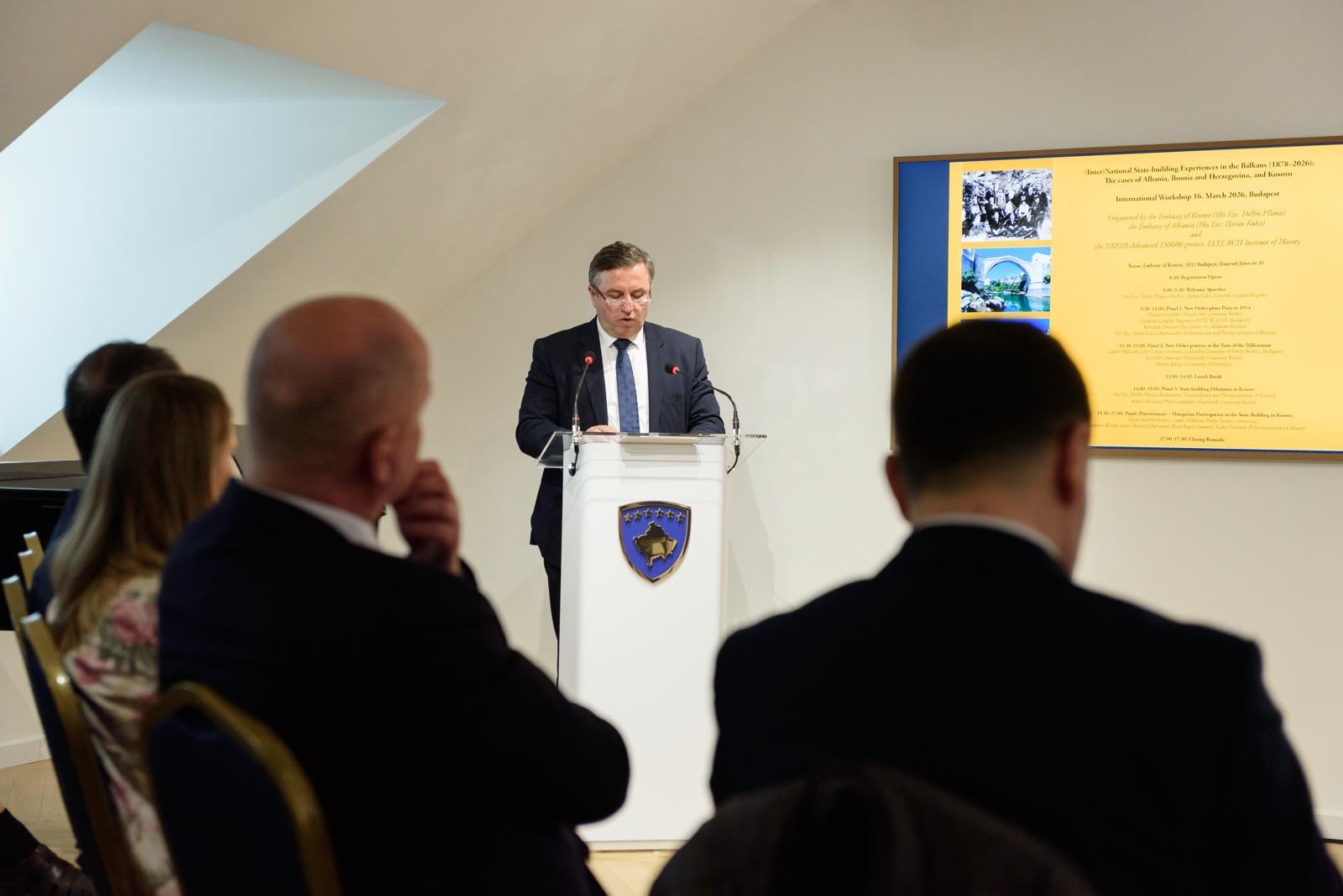
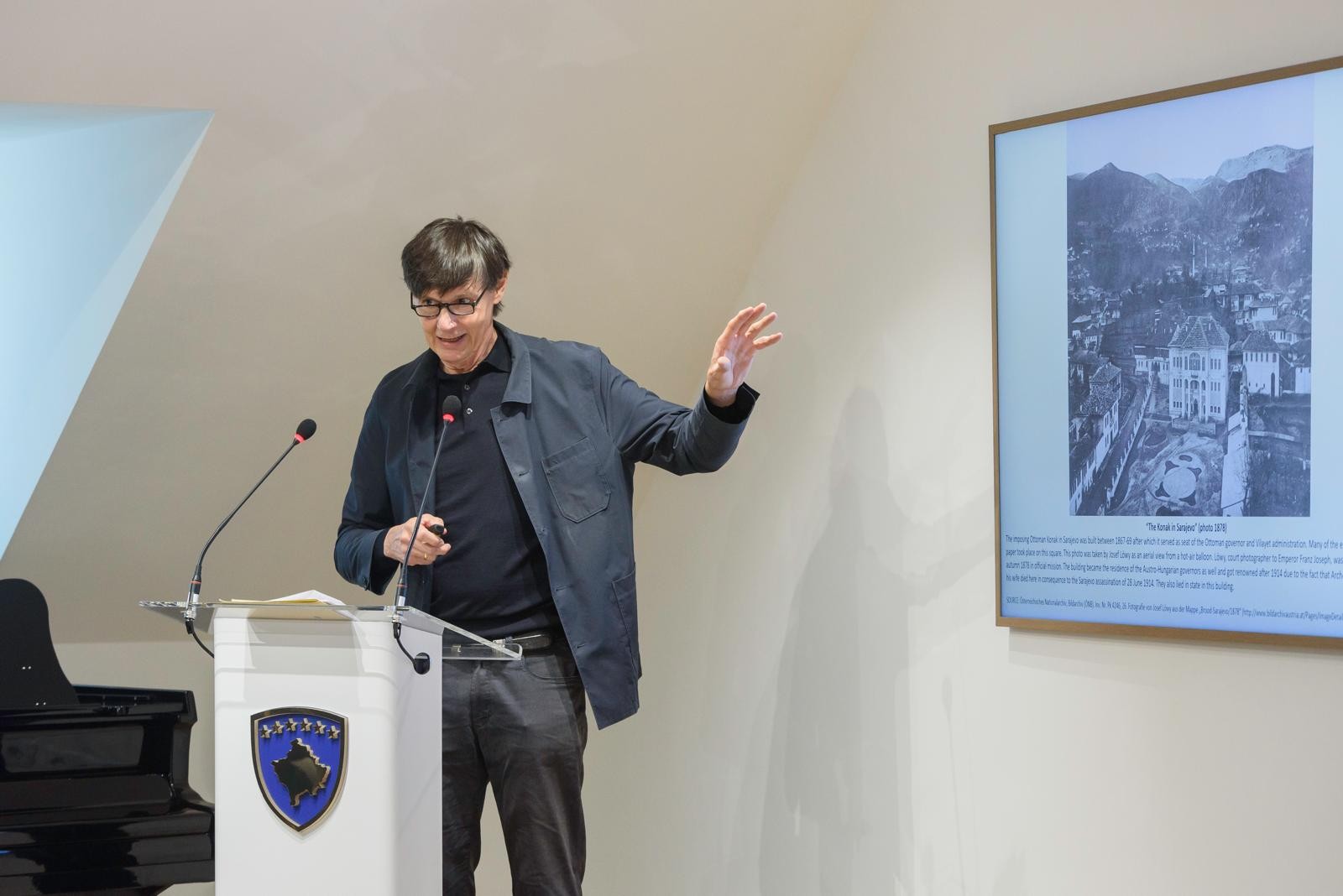
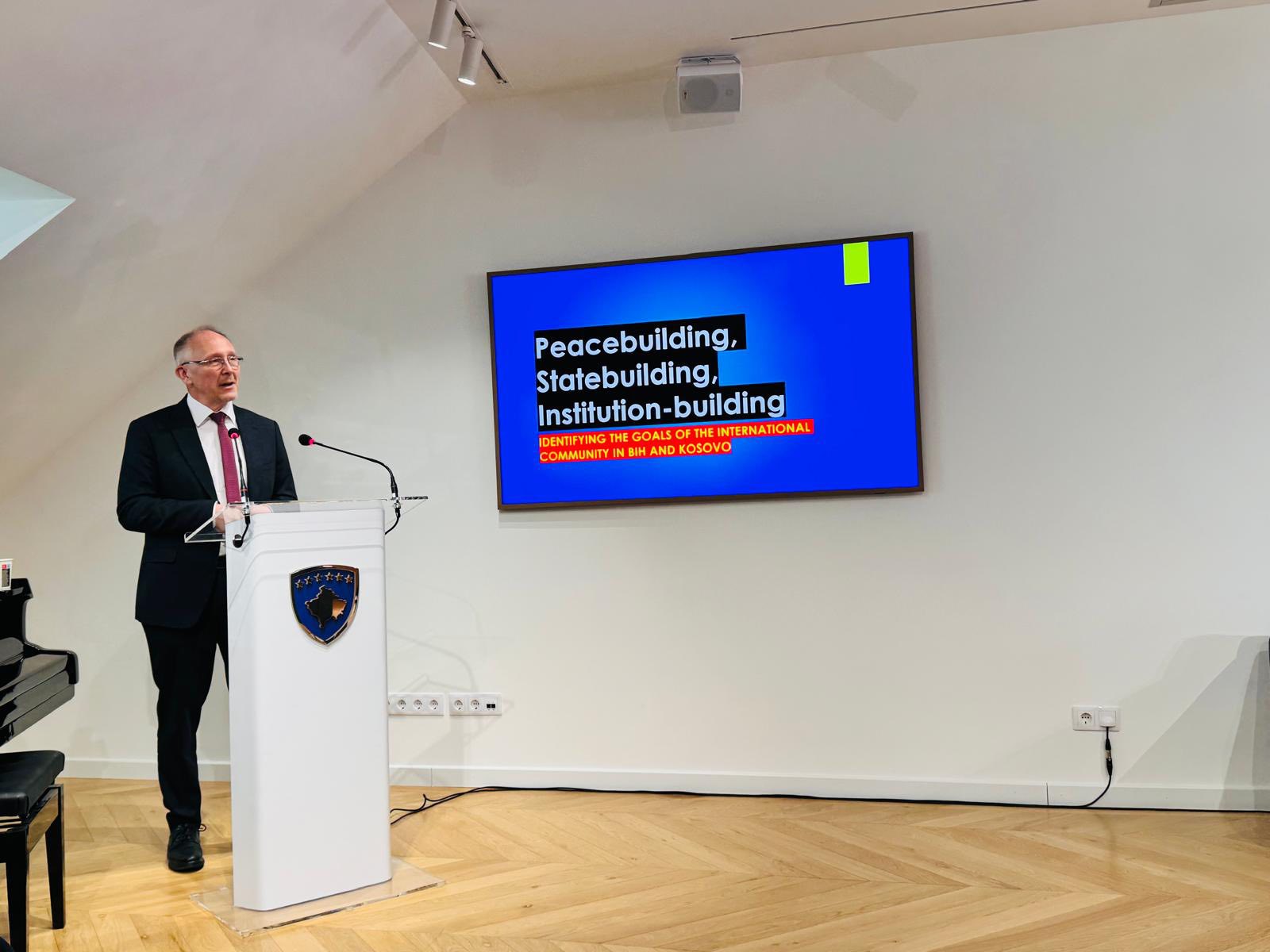
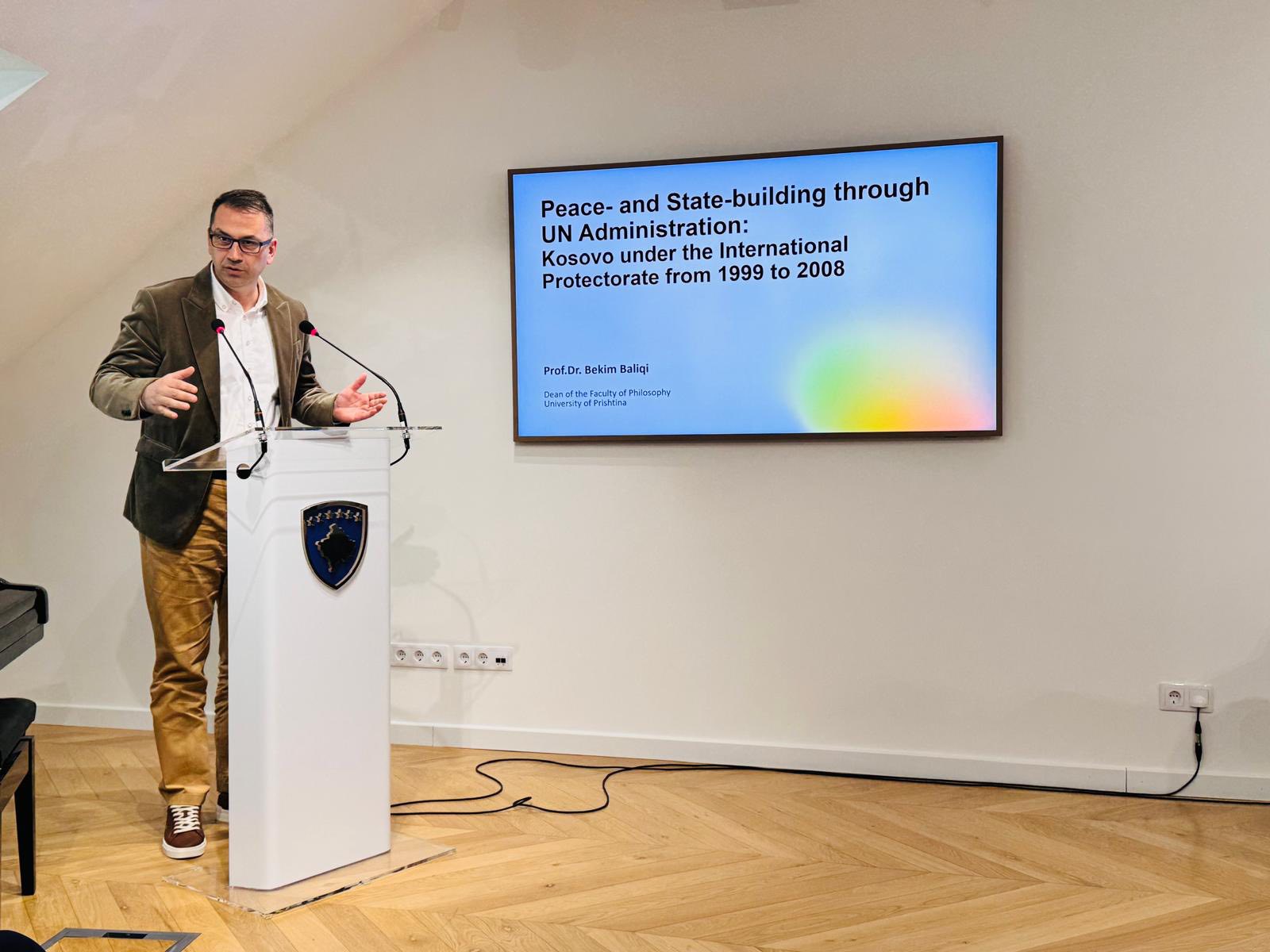
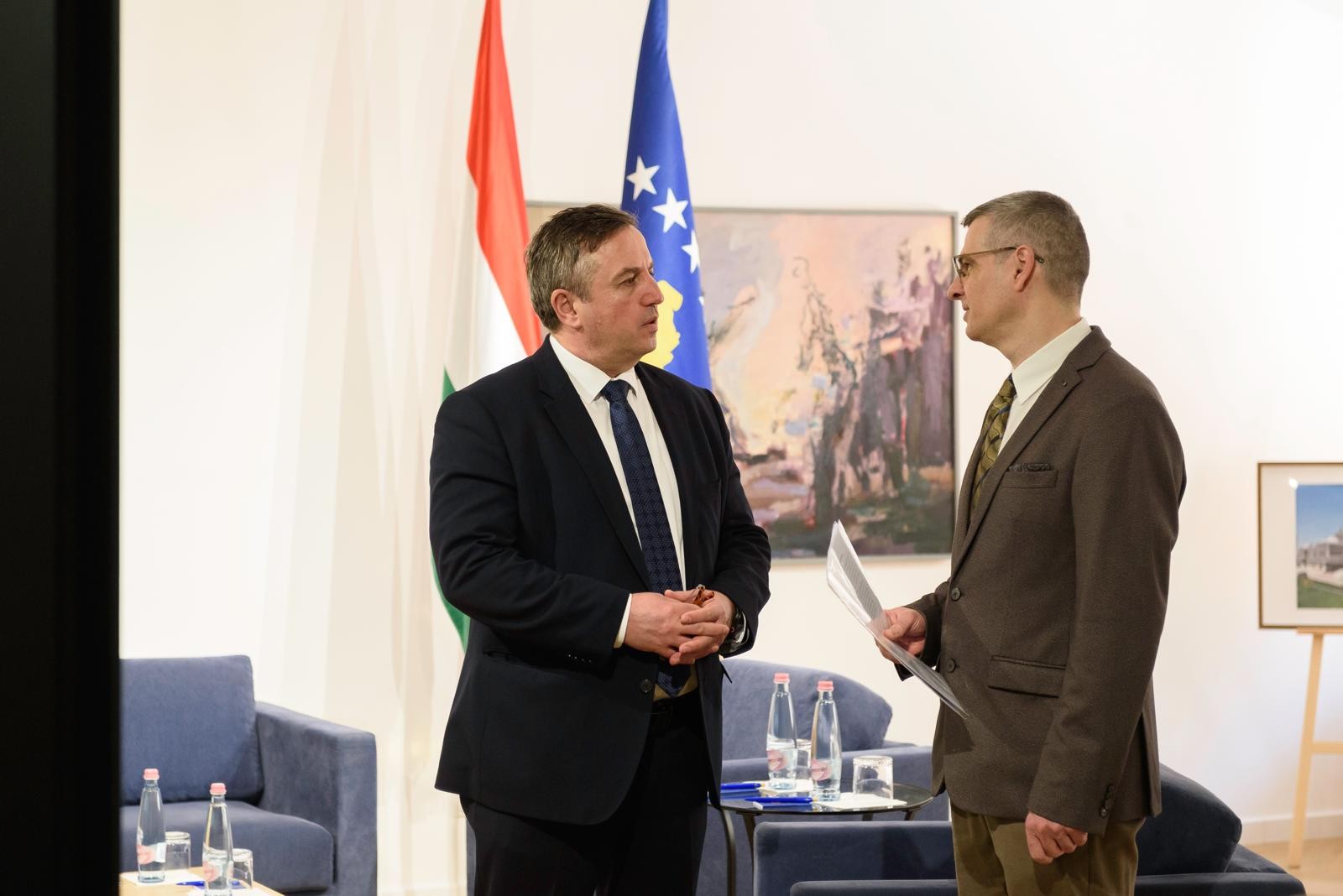

Photos: Embassy of the Republic of Kosovo in Hungary
At the workshop, Krisztián Csaplár-Degovics gave a presentation titled The International Commission of Control in Albania (1913–1914) – An Organization Intended to Preserve International Peace. The lecture aimed to draw attention to two key points. First, the so-called weak or fragile states of Eastern Europe are organized according to different principles and state-building traditions than those of the transatlantic world; therefore, they should not be forced into Western European models. Second, a better understanding of Austria–Hungary’s state-building activities in the Balkans could provide useful lessons for the European Union’s ongoing efforts.
László Márkusz’s presentation examined the objectives of the international community during state-building efforts in Bosnia and Kosovo. He identified three strategic goals: (1) regional peace and stability, (2) the establishment of Western-style liberal democracy, and (3) achieving a lasting political settlement through the constitutional instruments of ethnic quotas and collective rights. However, during the processes of peacebuilding and state-building, nation-building – that is, the creation of a politically cohesive community – did not receive sufficient attention. It remains an open question to what extent the settlements in Bosnia and Kosovo will prove sustainable in the absence of a shared identity framework.